
The Ultimate Guide to Organizing Toys in Kids Rooms (No More Mess in 2026)
Organizing toys in kids rooms can feel overwhelming for many parents, especially when space is limited and toys seem to multiply overnight. In 2026, smart toy organization is not just about neat shelves; it’s about creating a functional, safe, and stress-free environment that helps children learn responsibility and enjoy their space.
Table of Contents
Whether you’re dealing with a small kids’ bedroom, a shared room for siblings, or limited storage in an apartment, this ultimate guide will show you smart, budget-friendly toy organization ideas that actually work. With the right systems in place, you can finally say goodbye to clutter and hello to a tidy, happy kids’ room.

Why Toy Organization Matters in Kids Rooms
An organized kids room is more than just visually pleasing—it directly impacts your child’s behavior, safety, and development.Simple habits for organizing toys in kids rooms can reduce daily clutter and make clean-up easier for both parents and children.
Benefits of organizing toys in kids rooms:
- Reduces daily mess and cleaning time
- Creates a calm, stress-free environment
- Helps children find and return toys easily
- Improves focus and play quality
- Teaches responsibility and organization skills
A well-organized kids room also makes small spaces feel larger and more functional, which is especially important for families living in apartments or compact homes.
Smart Toy Storage Ideas for Small Kids Rooms
Small rooms can still be highly functional with the right storage strategies.
Use Vertical Storage to Save Floor Space
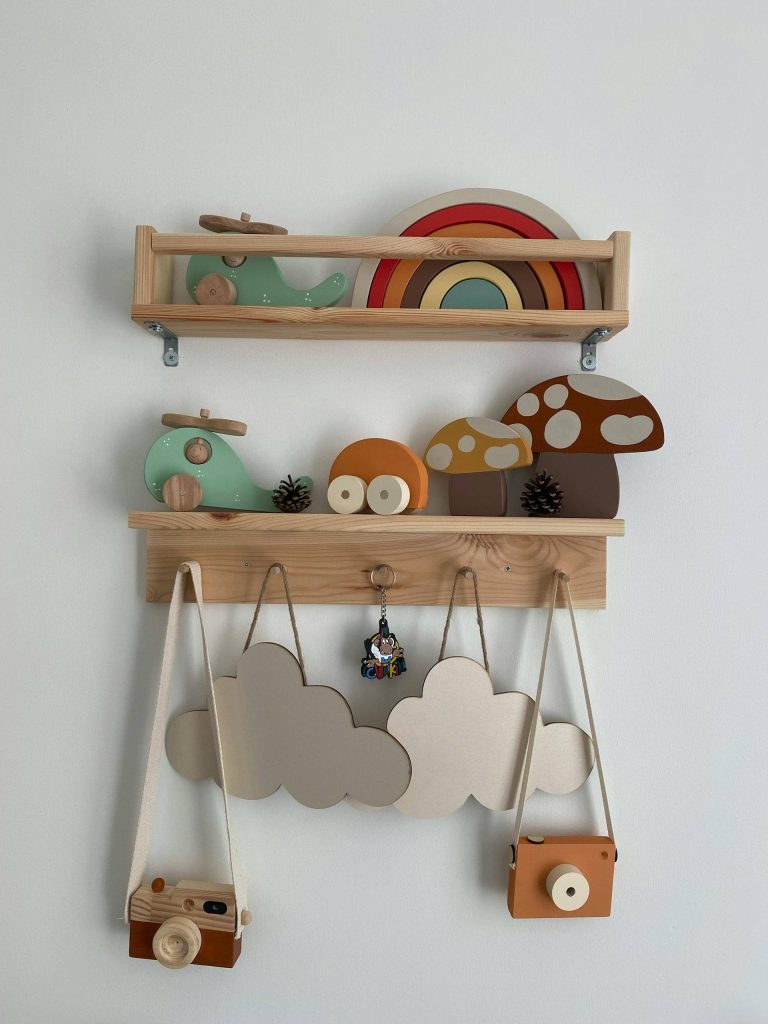
Wall-mounted shelves, pegboards, and tall cabinets help maximize storage without taking up valuable floor space.
Smart ideas:
- Floating shelves for books and small toys
- Wall hooks for backpacks and soft toys
- Hanging fabric organizers behind doors
Under-Bed Toy Storage Solutions

The space under the bed is perfect for storing toys you don’t use every day.
Best options:
- Rolling storage bins
- Flat storage boxes with labels
- Drawer-style under-bed organizers
Multi-Functional Furniture with Hidden Storage
Choose furniture that works double duty.
Examples:
- Toy chests that double as benches
- Beds with built-in drawers
- Ottomans with hidden compartments
Easy Toy Organization Systems That Actually Work
The key to long-term organization is simplicity.
Sort Toys by Category
Group similar toys together so kids know exactly where everything belongs.
Categories can include:
- Building blocks
- Dolls and action figures
- Art supplies
- Puzzles and board games
Use Clear Bins with Labels

Clear bins make it easy for kids to see what’s inside without dumping everything out.This method makes organizing toys in kids rooms easier because children can see where each toy belongs.
Label ideas:
- Picture labels for younger kids
- Word labels for older kids
- Color-coded bins for quick sorting
Create a Simple Toy Rotation System
Too many toys can overwhelm kids and create more mess.
How toy rotation works:
- Store half of the toys out of sight
- Rotate toys every 2–4 weeks
- Keeps playtime exciting without clutter
Budget-Friendly Toy Organization Ideas for Parents
You don’t need expensive storage systems to organize toys effectively.With a few low-cost solutions, organizing toys in kids rooms becomes manageable even in small apartments or shared bedrooms.
Low-cost organization ideas:
- Use recycled boxes and baskets
- Repurpose shoe organizers for small toys
- DIY shelves from wooden crates
- Use stackable plastic bins
With a little creativity, you can build a powerful toy organization system without breaking your budget.
How to Teach Kids to Keep Their Room Organized
Toy organization only works if kids are involved.
Make Clean-Up Fun and Simple
Turn cleaning into a game or challenge.
Ideas:
- Set a 5-minute clean-up timer
- Play music during tidying time
- Use reward charts for younger kids
For more practical toy storage inspiration, you can explore ideas from IKEA’s kids storage solutions.
Give Each Toy a “Home”
When every toy has a designated spot, kids are more likely to put things away.
Keep Storage at Kid-Friendly Height
If children can reach storage easily, they’re more likely to use it independently.
Common Toy Organization Mistakes to Avoid
Avoid these mistakes that lead to constant mess:
- Using storage that’s too complicated
- Storing toys out of reach
- Not labeling containers
- Keeping too many toys in one space
- Ignoring toy decluttering
Regularly decluttering toys keeps the kids room organized and manageable.
Benefits of an Organized Kids Room in 2026

A clean, organized kids room supports both parents and children.
Long-term benefits:
- Less daily stress
- Faster clean-up routines
- More focused playtime
- Safer environment
- Better use of small spaces
In 2026, smart kids room organization is about creating balance between play, learning, and order.
Conclusion: Create a Tidy, Happy Kids Room with Smart Toy Organization
Organizing toys in kids rooms doesn’t have to be complicated or expensive. With simple storage systems, smart use of space, and child-friendly organization methods, you can transform even the smallest kids room into a clean, functional, and joyful space.
Start small, involve your child, and build habits that make toy organization easy to maintain throughout 2026 and beyond.
For more budget-friendly ideas, check out our guide on low-budget home decor ideas for small houses.
Frequently Asked Questions (FAQs)
How often should I organize toys in kids rooms?
How often should I organize toys in kids rooms?
It’s best to declutter and reorganize every 3–6 months.
Vertical shelves, under-bed storage, and multi-functional furniture work best.
How can I motivate my child to clean up toys?
Make clean-up fun, keep storage accessible, and use simple reward systems.
Are open shelves or closed bins better for kids rooms?
Open shelves work well for frequently used toys, while bins are better for small items.